Integrating Robotics in Modern Astronomical Observatories
Harnessing autonomous precision in the world's most extreme terrestrial and orbital environments.
The Frontier of Observation
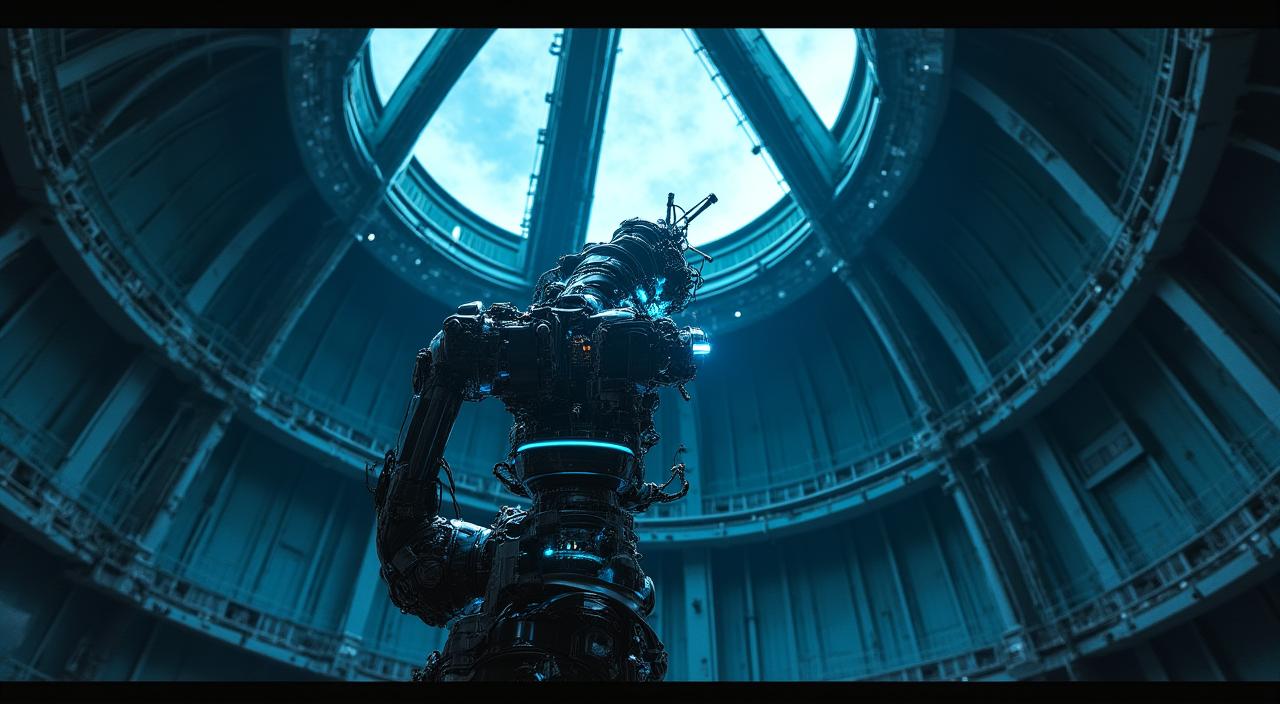
The most powerful astronomical observatories are, by design, located in the most inhospitable regions on Earth: the hyper-arid deserts of Atacama and the frozen summits of the Andes. At these altitudes, the air is thin, and the temperatures frequently plummet far below zero. For human technicians, performing routine maintenance in such conditions is not only difficult but inherently dangerous.
Beyond Earth, orbital observatories like the James Webb Space Telescope face even harsher realities. In the vacuum of space, human-led repair missions are prohibitively expensive and technically exhaustive. The demand for resilient, autonomous robotic solutions has never been higher.
The Maintenance Challenge: Mirror Contamination
A 30-meter telescope mirror is a masterpiece of engineering, but it is also a magnet for cosmic dust and microscopic debris. A single layer of dust can degrade sensitivity by up to 15%, blinding us to the faintest signals from distant galaxies. Traditionally, cleaning these mirrors required massive mechanical rigs and significant downtime.
Precision Hazards
Sub-zero temperatures and high winds make manual handling of delicate optical components virtually impossible without risk of structural fatigue.
The NovaBotics Solution: Cryo-Resilient Drones
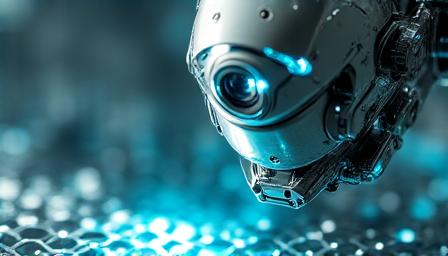
NovaBotics has developed the Astro-Clean 9 Series, a fleet of autonomous maintenance drones specifically engineered for observatory environments. Unlike standard industrial robotics, these units utilize lithium-titanate battery technology and aerospace-grade lubricants that remain fluid at -50°C.
- Thermal Insulation: Ceramic-polymer composite shells to protect internal AI processing units.
- Lidar Navigation: Millimeter-wave precision to navigate around delicate instruments in total darkness.

Future Outlook: The Self-Healing Observatory
The ultimate goal of NovaBotics is to create the "Lighthouse" protocol: a fully automated observatory ecosystem. In this future, the building itself is a robot. Integrated sensors detect vibrations or optical degradations instantly, deploying repair drones before a human operator even sees an error code.